
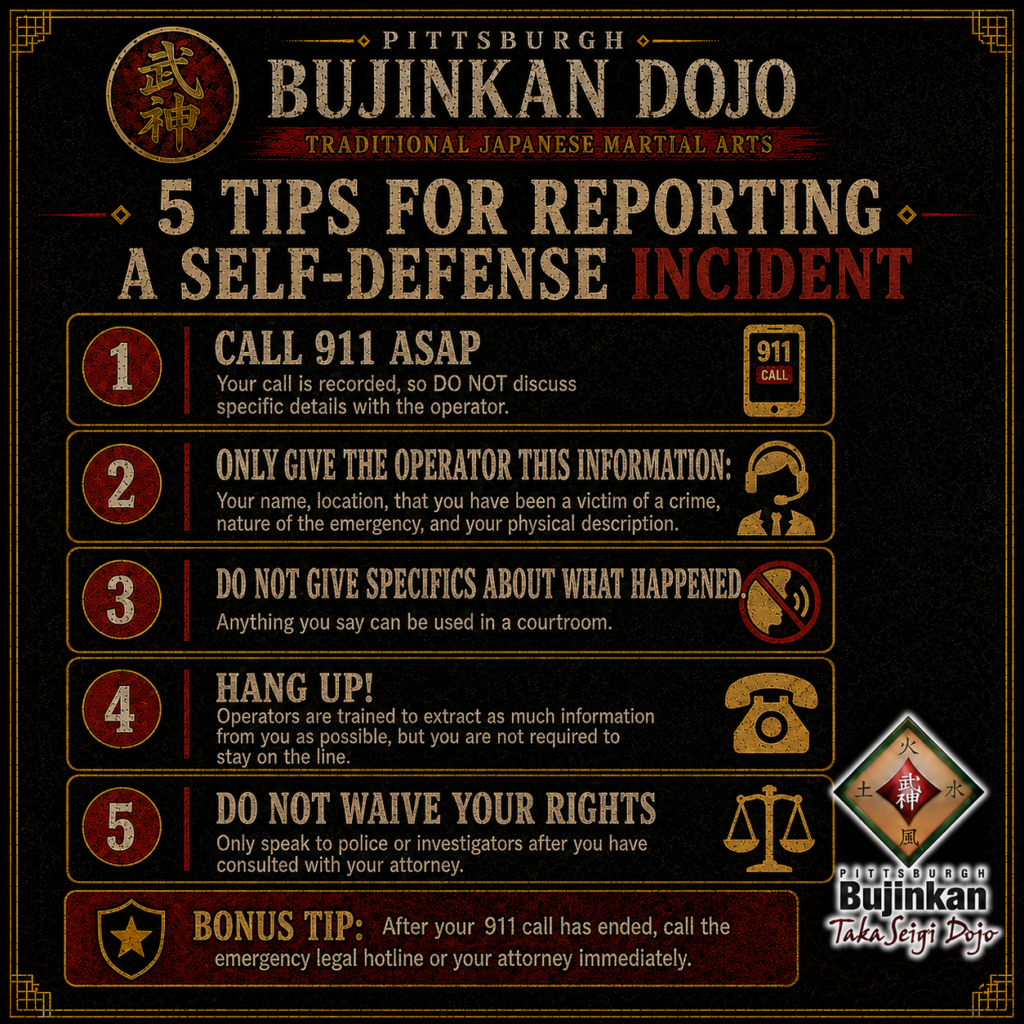
5 Tips for Reporting a Self-Defense Incident
A self-defense encounter does not end when the physical danger stops. That is one of the most important things to understand. You may survive the immediate threat, create distance, stop […]
A self-defense encounter does not end when the physical danger stops. That is one of the most important things to understand. You may survive the immediate threat, create distance, stop […]
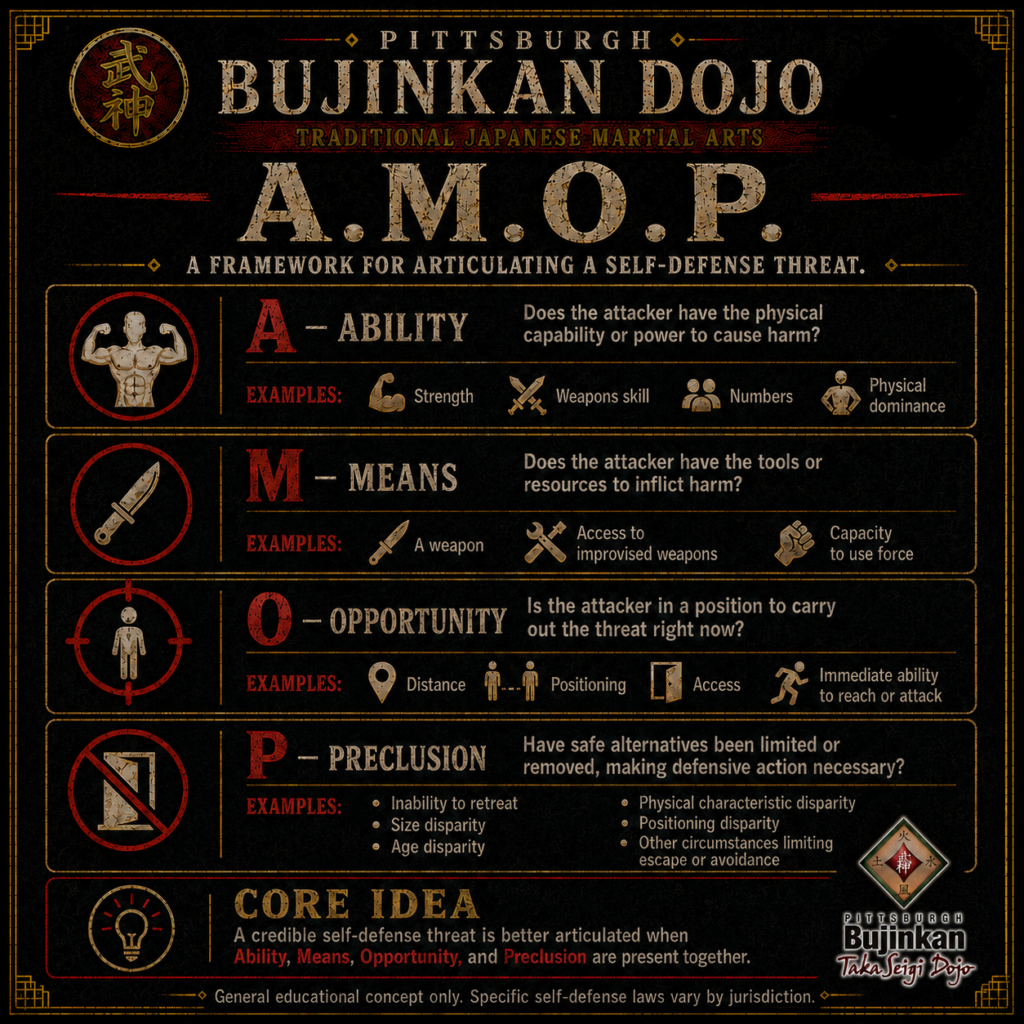
Self-defense is not just something you do. It is something you may have to explain later in a court of law. That is an uncomfortable truth, but an important one.
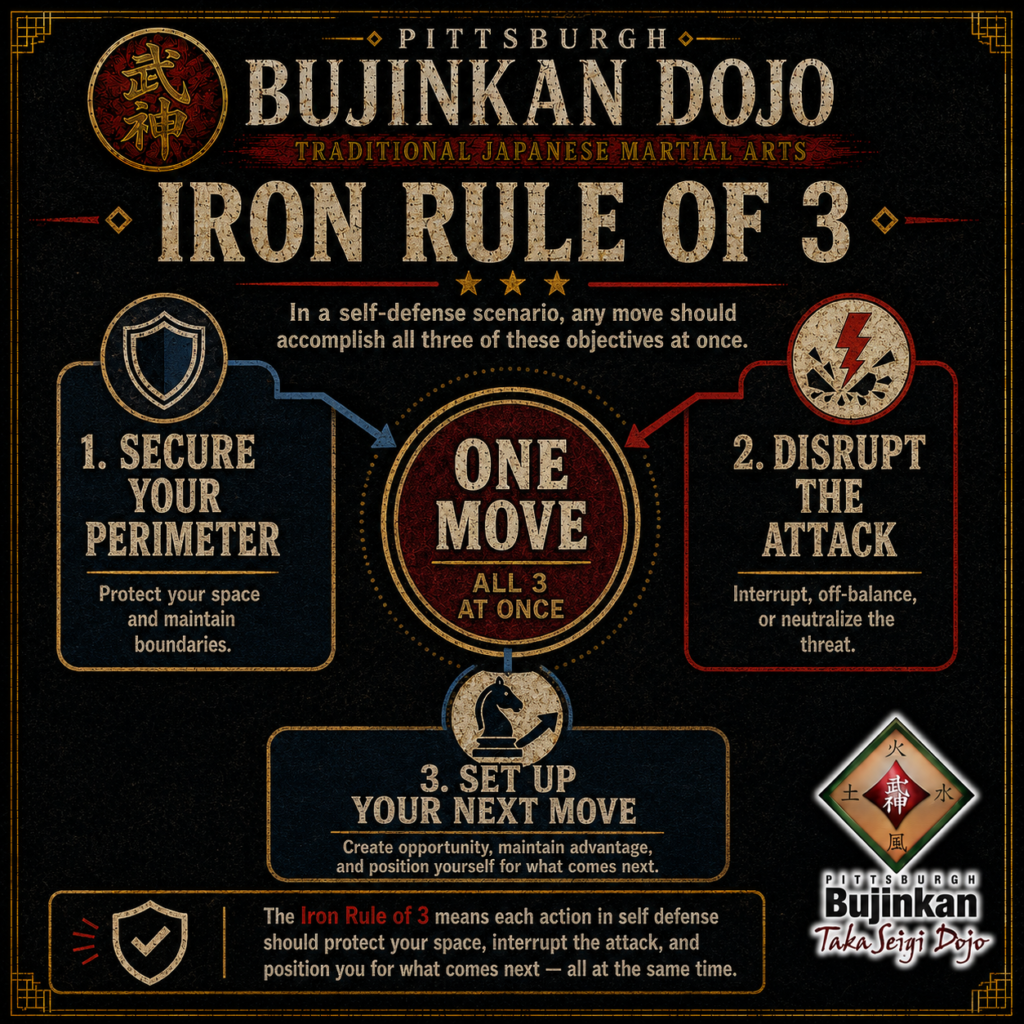
In a real self-defense situation, time is compressed. You do not get the luxury of stopping, thinking through a perfect plan, and then executing one neat technique at a time.
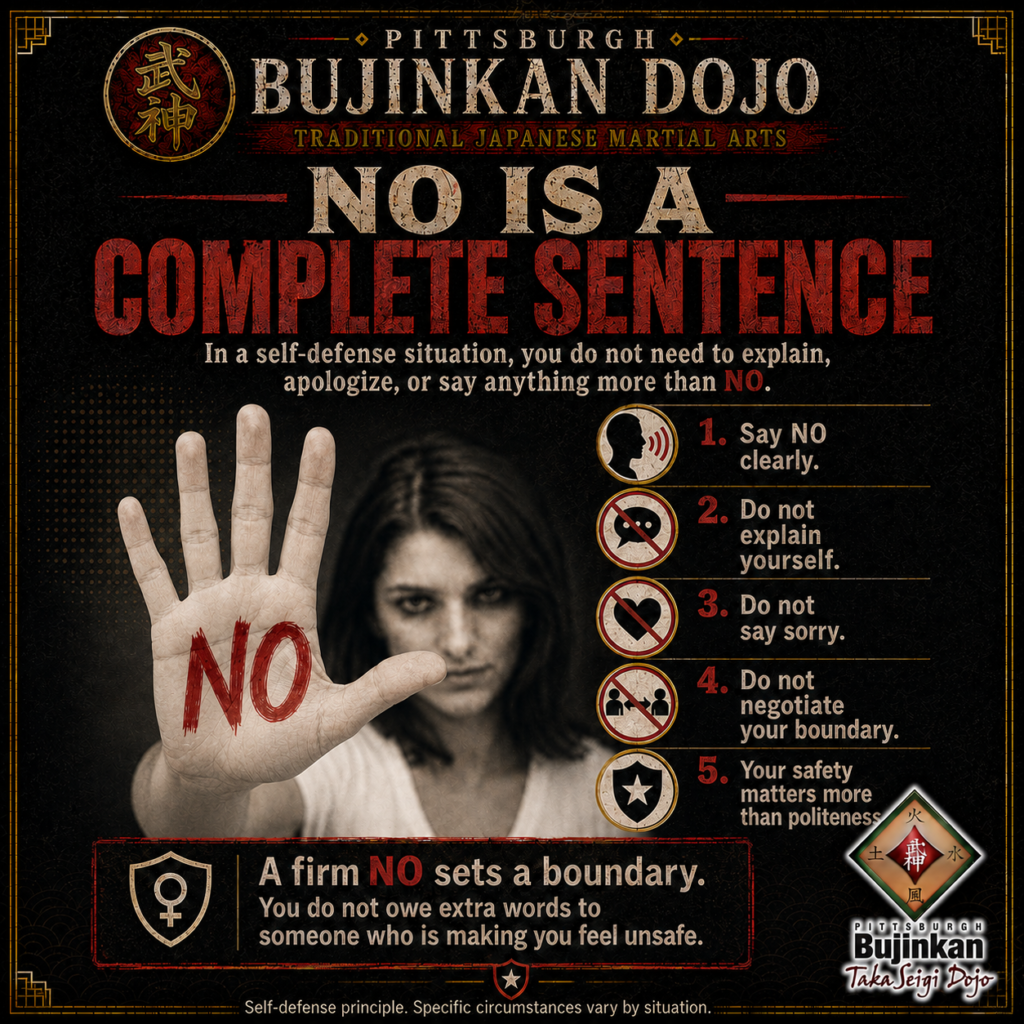
One of the most important self-defense skills is also one of the simplest: Say no. Mean it. Hold it. That sounds easy, but in real life, many people struggle with
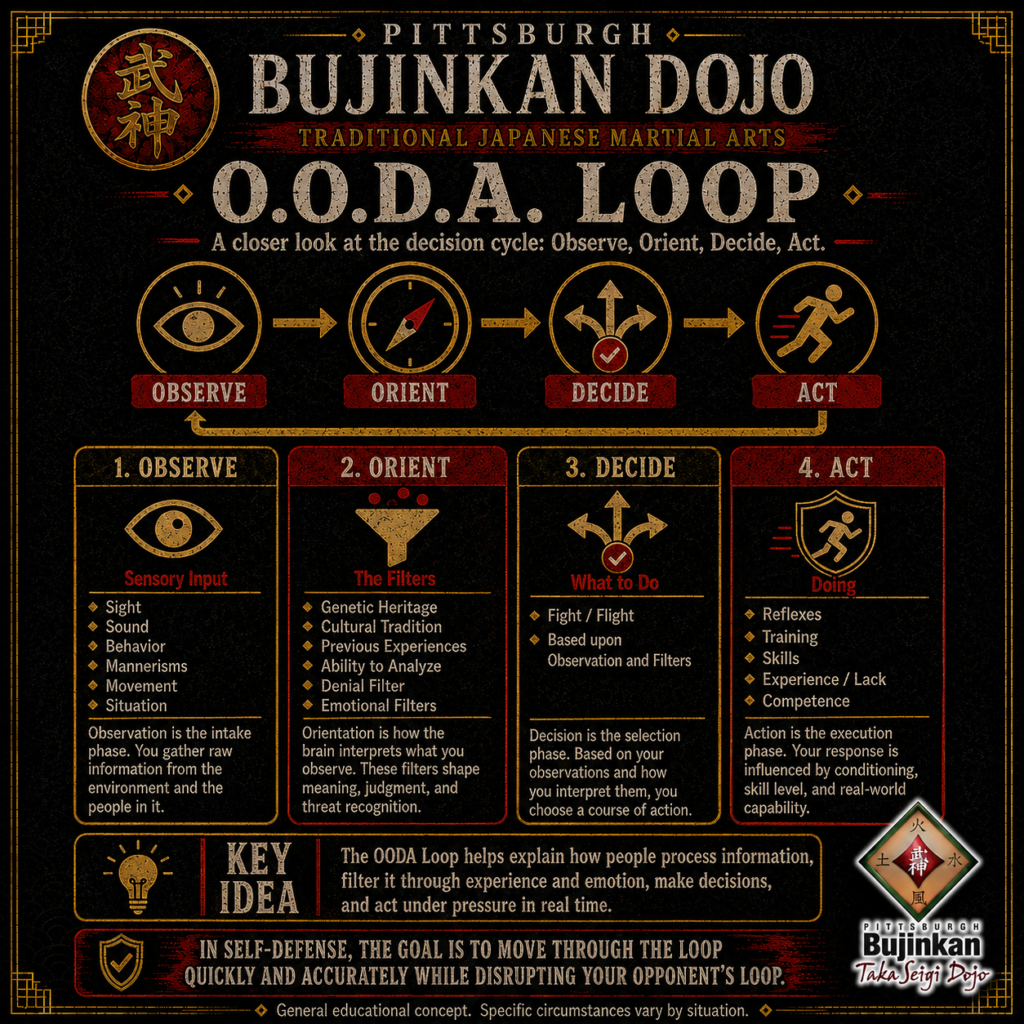
The O.O.D.A. Loop is one of the most useful ways to understand how people process danger under pressure. O.O.D.A. stands for Observe, Orient, Decide, and Act. In simple terms, it
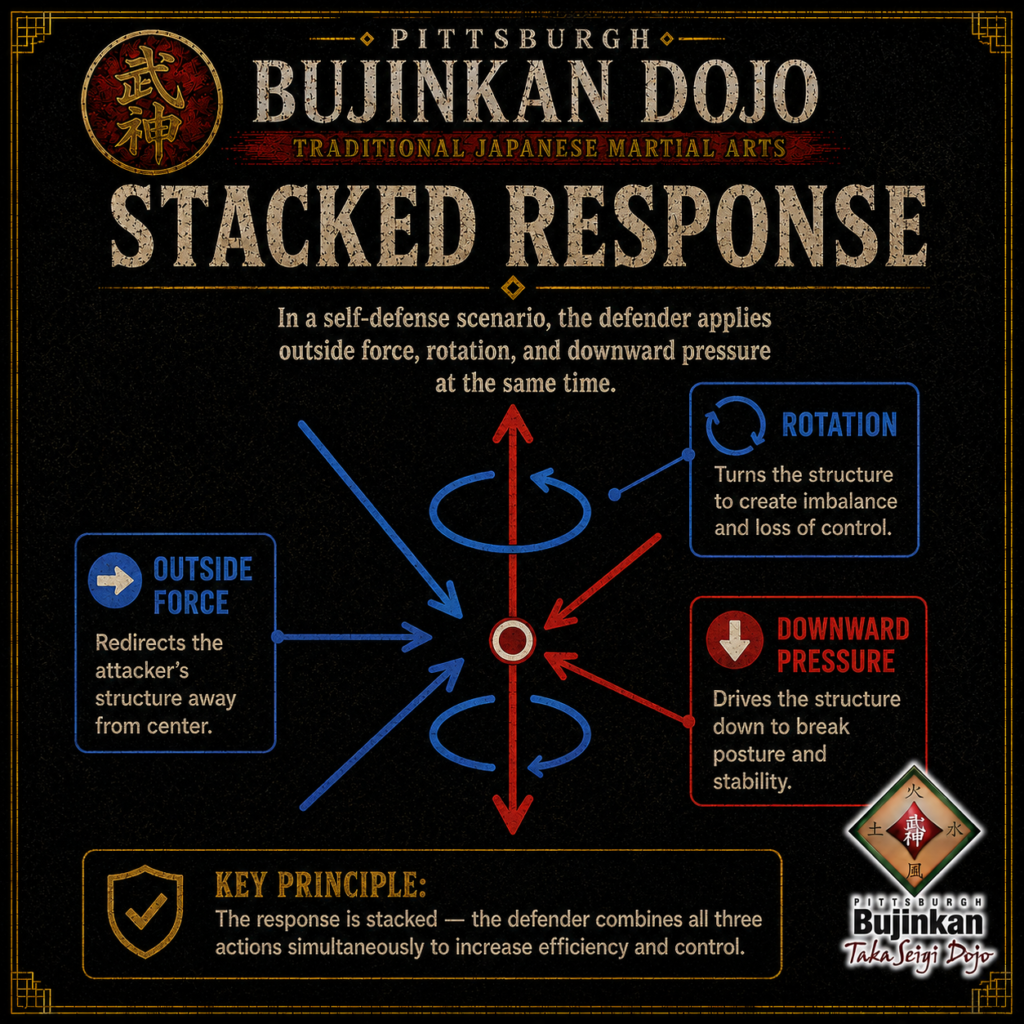
In a real self-defense encounter, simple is good. But simple does not mean shallow. A strong defensive response should not be a collection of disconnected movements. It should be efficient,
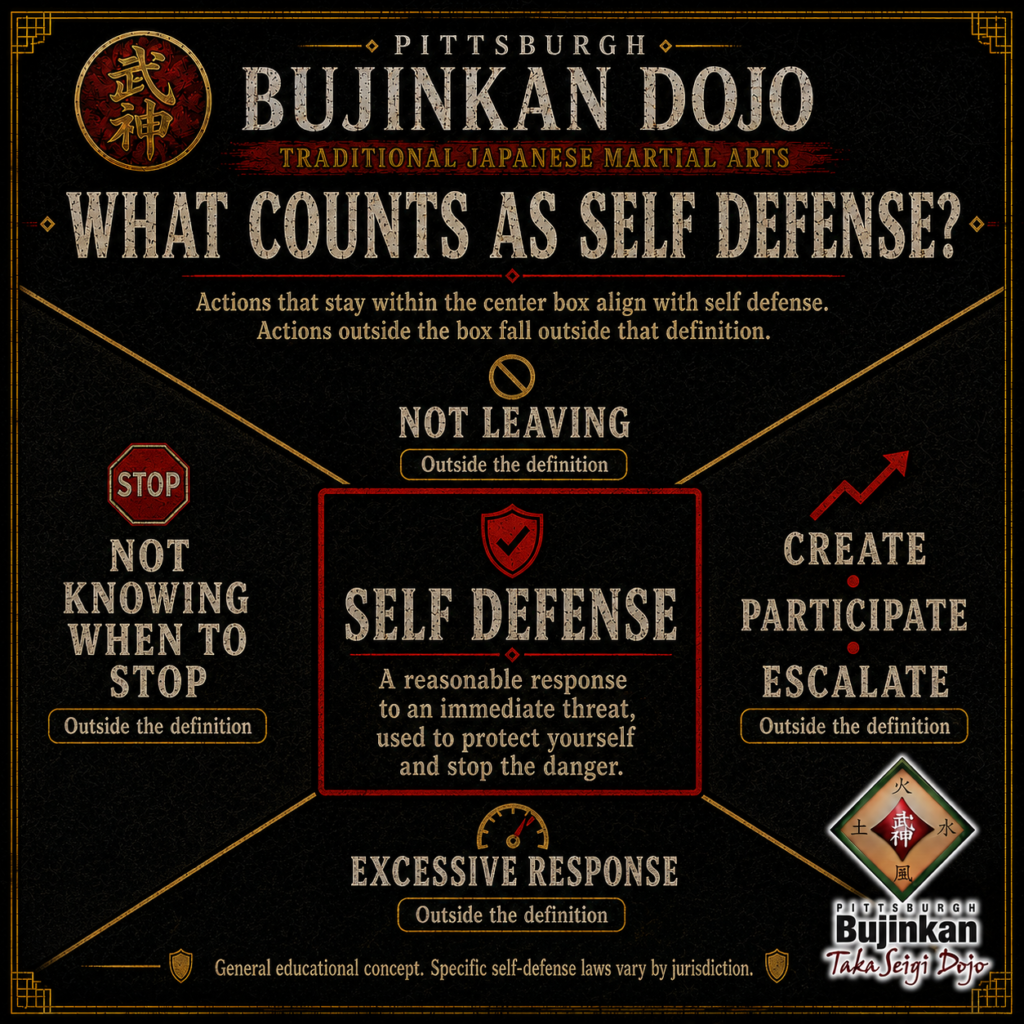
Self-defense is not just “fighting back.” That is an important distinction. In real-world violence, and especially in the legal aftermath of violence, what matters is not simply that you were
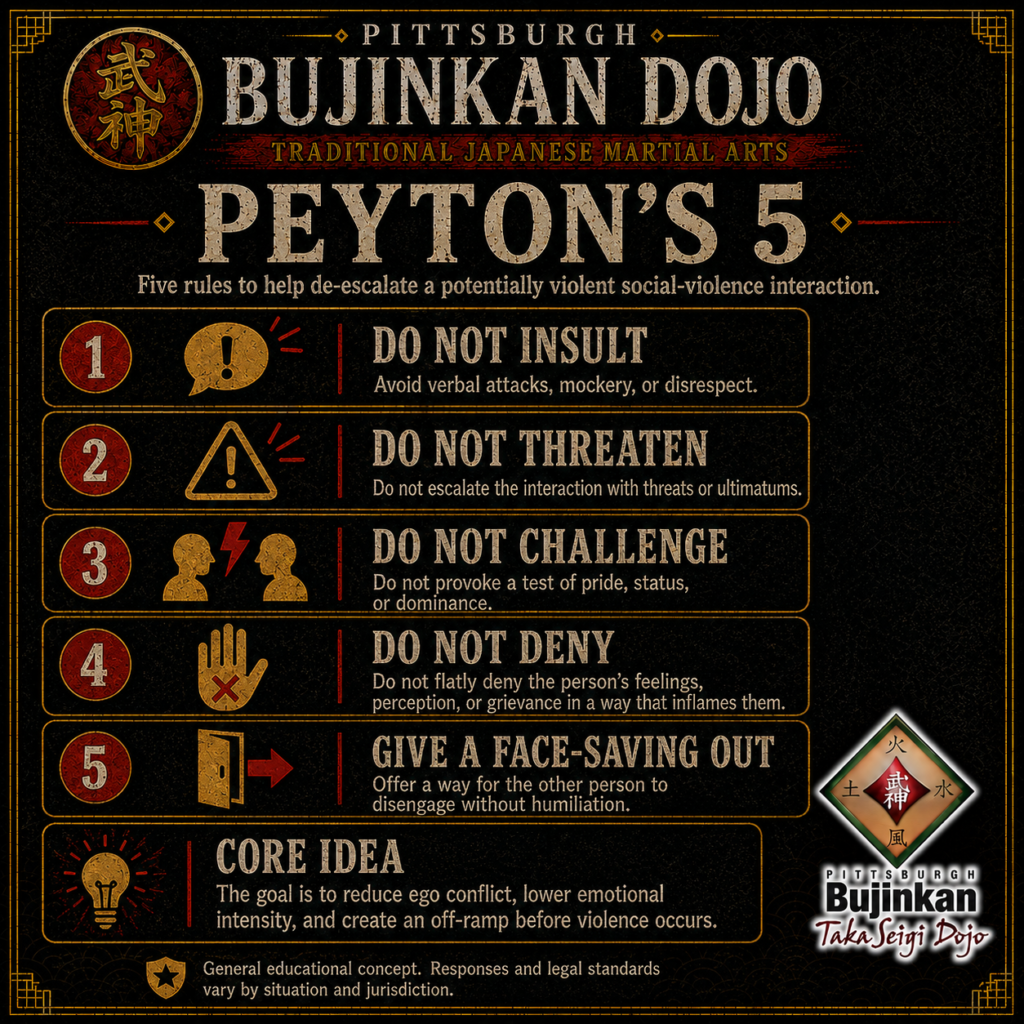
In many potentially violent encounters, the goal should not be to “win” the argument. The goal is to avoid the fight. That may sound obvious, but when ego, fear, anger,
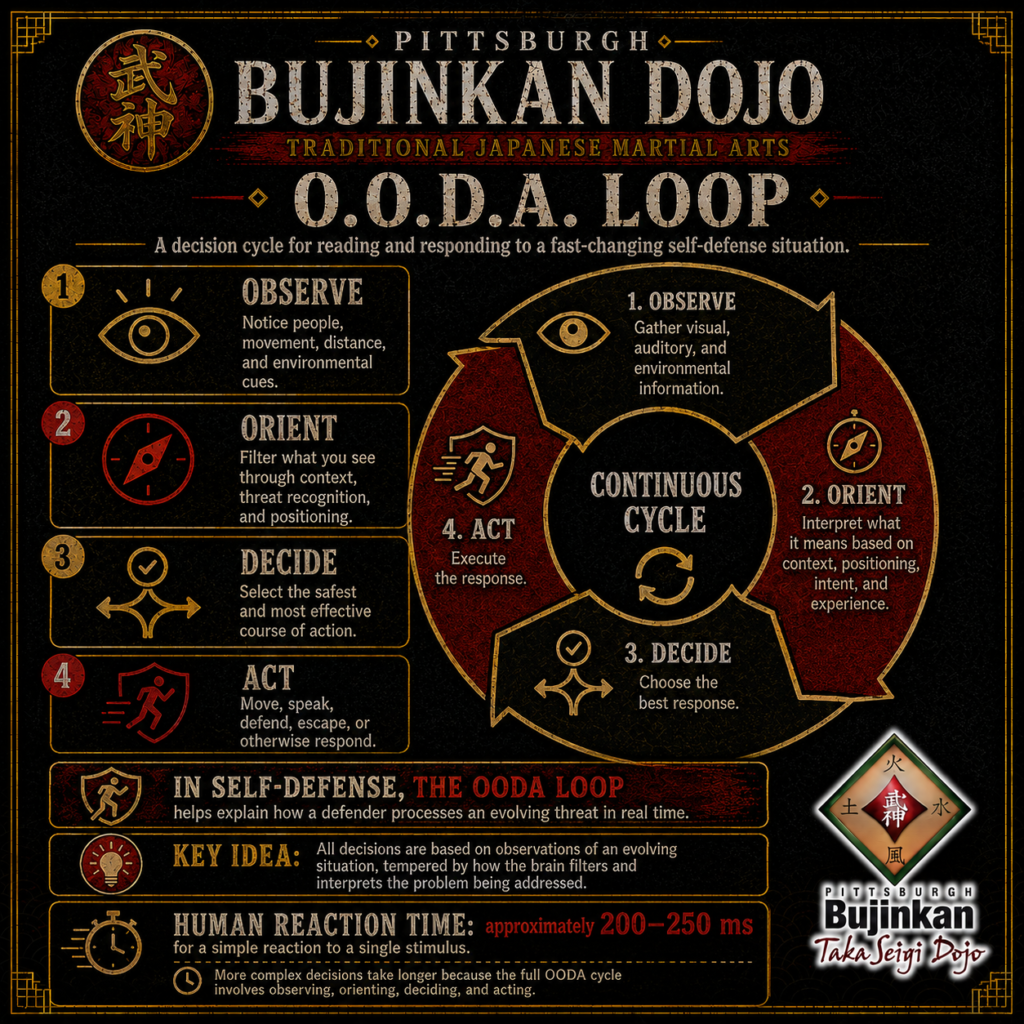
In a fast-changing self-defense situation, your brain has to process information quickly. You see something, interpret it, choose a response, and act. That process is often described as the O.O.D.A.
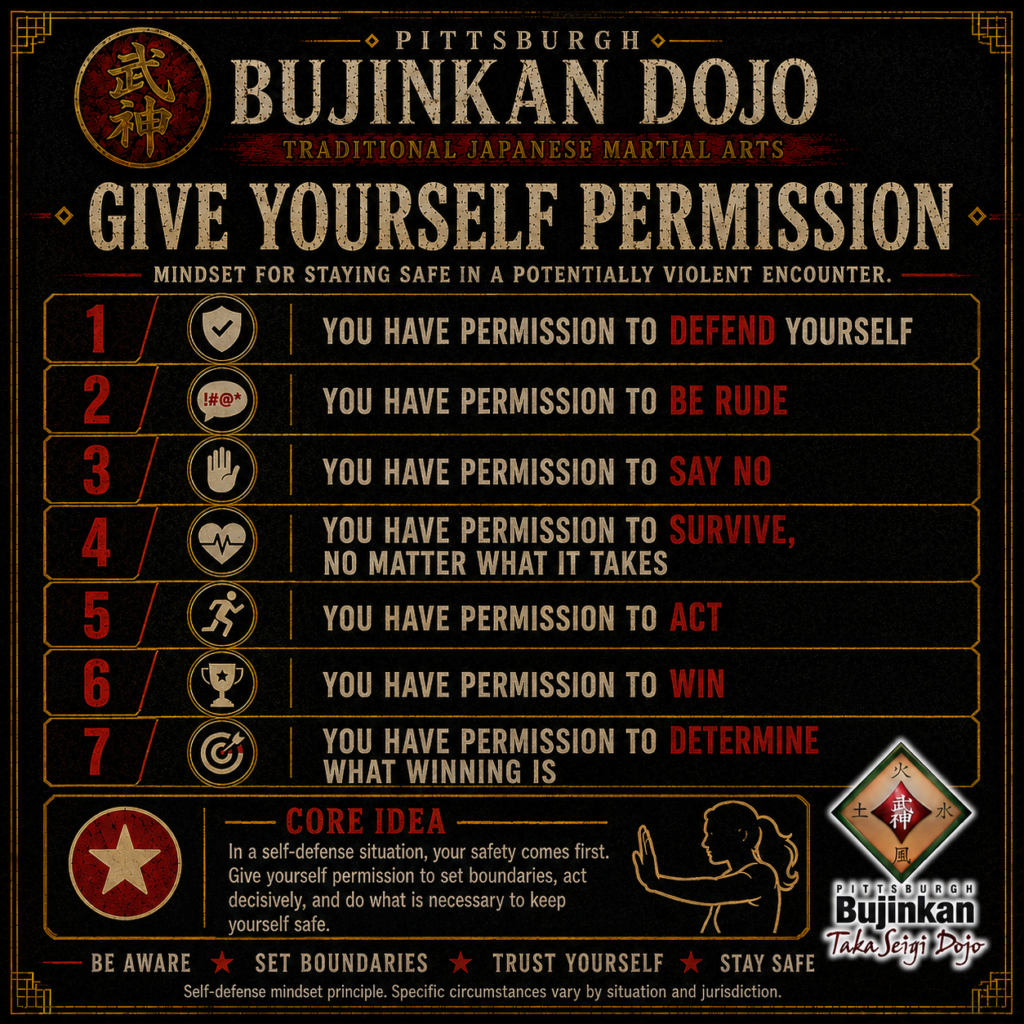
One of the hardest parts of self-defense is not learning how to strike, move, block, escape, or use a weapon. One of the hardest parts is giving yourself permission to